Author: Lee Sells, Applications Engineer
Category: Laser Marking | Electronics
Introduction
Modern electronics manufacturing requires components to be precisely identified, traceable and durable throughout production and the product lifecycle.
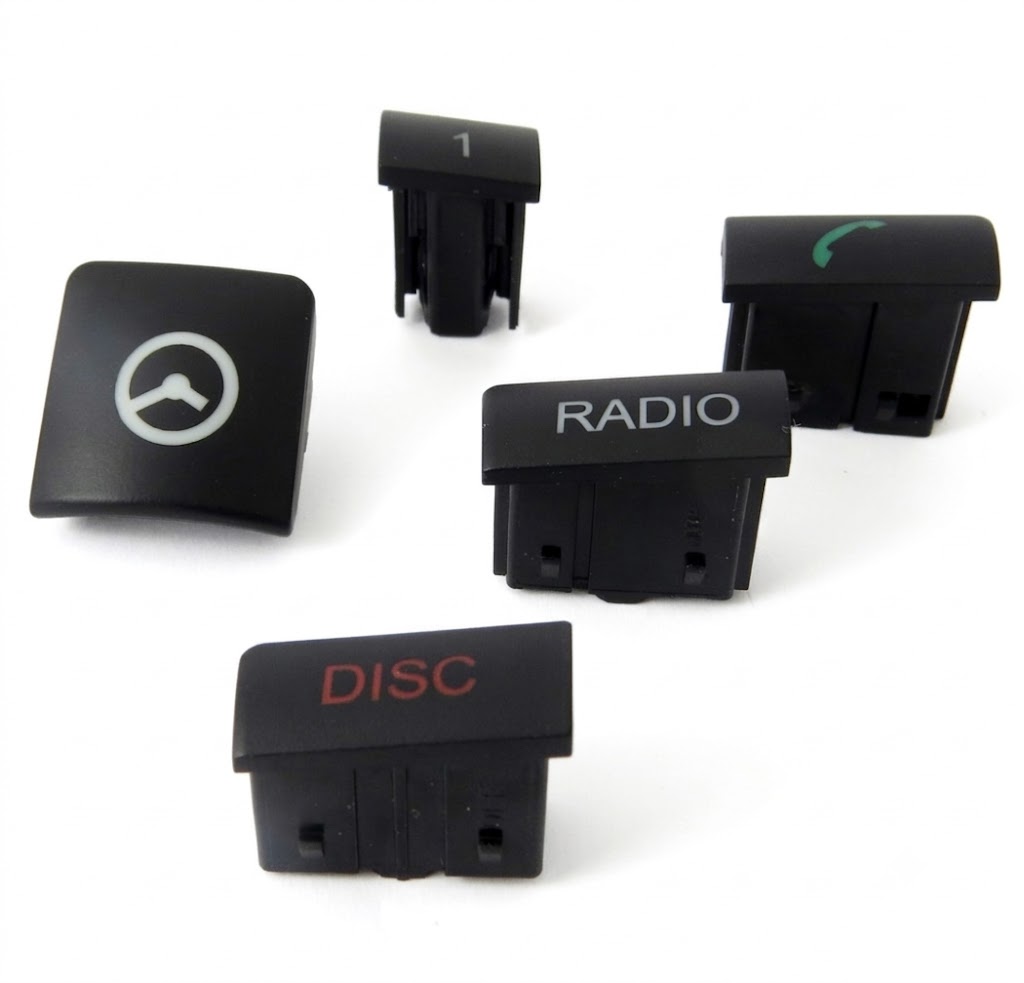
Laser marking provides a fast, accurate and permanent way to mark electronic components, housings, connectors and assemblies with serial numbers, part numbers, barcodes, QR codes and Data Matrix codes.
The technology is particularly useful for electronics because laser systems can produce very small, precise marks while operating without physical contact with the component.
Depending on the material and application, fibre, UV and other laser sources can be used to produce the required mark without compromising the component.
What is laser marking used for in electronics?
Laser marking can be used throughout electronics manufacturing for identification, traceability, branding and process control.
Typical applications include:
- Serial numbers
- Part numbers
- Data Matrix codes
- QR codes
- Barcodes
- Logos
- Component identification
- Manufacturing and batch codes
- Connector identification
- Product branding
- Traceability information
For electronic components where space is limited, the precision of laser marking can allow identification to be applied in a very small area.
Electronics laser marking applications
1. Electronic component identification
Electronic components often need to be individually identifiable during manufacturing and later service.
Laser marking can be used to apply:
- Part numbers
- Serial numbers
- Batch information
- Manufacturer identification
- Production codes
- Component specifications
Because the marking process is digitally controlled, different information can be applied to individual components without changing physical tooling.
2. Data Matrix and QR code marking
Data Matrix codes are particularly useful for electronics because they can store machine-readable information in a small area.
Laser marking can create precise Data Matrix and QR codes on suitable components and housings.
These can support:
- Production traceability
- Automated inspection
- Inventory management
- Component authentication
- Quality control
- Product lifecycle tracking
A marked component can therefore be connected to digital manufacturing records throughout its lifecycle.
3. PCB and electronics marking
Laser marking can be used in suitable applications to identify printed circuit boards (PCBs), electronic assemblies and associated components.
Potential markings include:
- Serial numbers
- Assembly references
- Date codes
- Barcodes
- Data Matrix codes
- Logos
The appropriate laser source depends on the PCB construction, coatings and materials involved.
4. Electronic housings and enclosures
Electronic devices often use plastic or metal housings that require permanent identification.
Laser marking can be used for:
- Product names
- Logos
- Serial numbers
- Regulatory symbols
- Safety information
- Control labels
- Identification codes
Compared with printed labels, laser marking can provide a permanent alternative where durability is important.
5. Connectors and electrical components
Connectors can have limited space for identification, making precise marking particularly useful.
Laser marking can be used for:
- Connector numbers
- Pin identification
- Part numbers
- Batch codes
- Manufacturer logos
- Traceability codes
Both metal and suitable polymer components can potentially be laser marked.
What materials can be laser marked in electronics?
Electronics manufacturing uses a wide variety of materials.
The appropriate laser source depends on the material, surface treatment and required result.
Plastics
Plastics are extensively used for electronic housings, connectors and components.
Examples include:
- ABS
- Polycarbonate
- Polyamide
- PEEK
- Other engineering polymers
Different plastics respond differently to laser wavelengths, making UV or MOPA laser sources useful for certain applications where conventional fibre marking may produce excessive heat or an unsuitable finish.
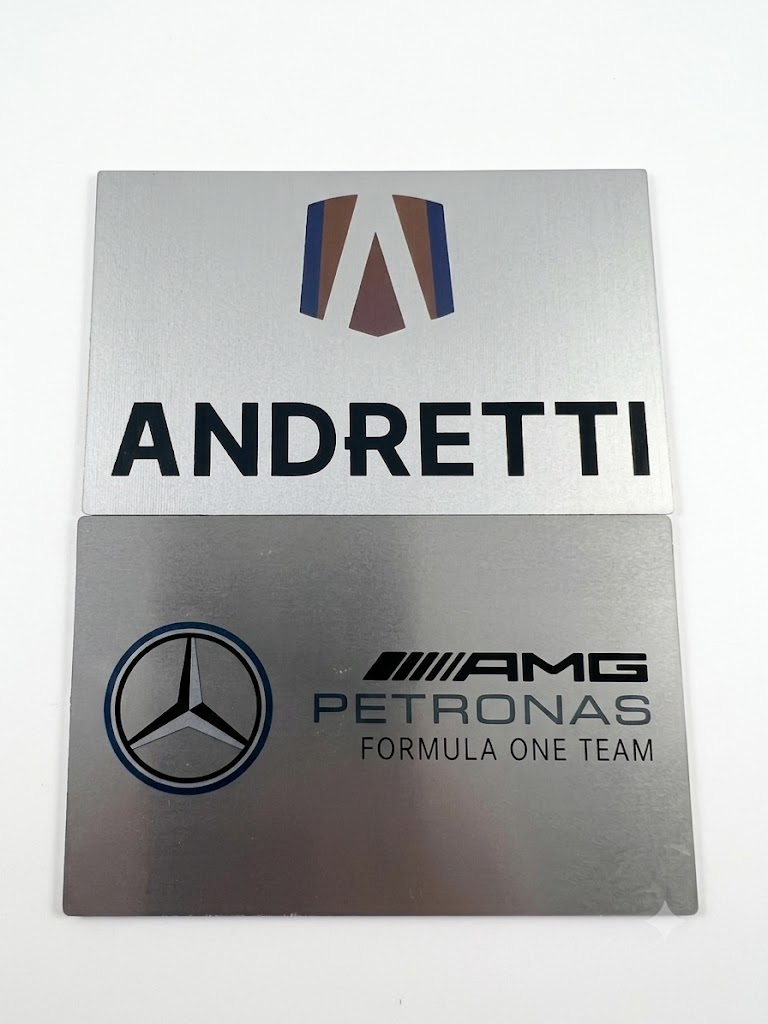
Stainless steel
Stainless steel is used for electronic components, housings, connectors and specialist equipment.
Fibre lasers are commonly suitable for marking stainless steel, with processes including surface marking, annealing and engraving.
The appropriate process depends on the required contrast, durability and appearance.
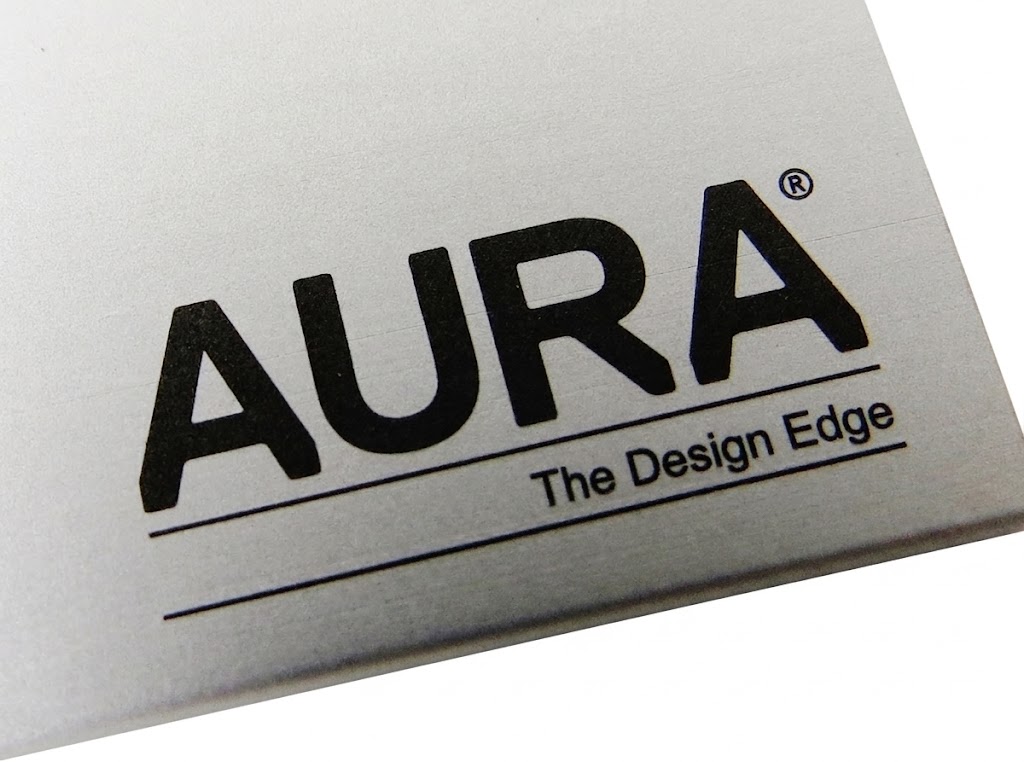
Aluminium
Aluminium is widely used for electronic housings and heat-management components.
Laser marking can be used to apply:
- Serial numbers
- Logos
- Identification codes
- Product information
Anodised aluminium can also be marked by selectively removing or modifying the anodised surface.
Copper
Copper is important in electronics because of its excellent electrical conductivity.
Applications can include:
- Electrical contacts
- Busbars
- Connectors
- Conductive components
Copper can present additional laser-processing challenges because of its reflective and thermal properties, so application testing is particularly useful.
UV laser marking for electronics
UV lasers can be particularly useful for electronics applications involving sensitive plastics and small or delicate components.
The shorter UV wavelength can interact with certain materials differently from infrared fibre lasers, allowing manufacturers to achieve precise marks with reduced thermal effects in suitable applications.
Potential applications include:
- Electronic housings
- Sensitive plastics
- Connectors
- Micro-components
- Medical electronics
- Consumer electronics
Laser Lines’ laser marking range includes UV systems positioned for applications involving sensitive plastics, glass and micro-components, including electronics.
Fibre laser marking for electronics
Fibre lasers are particularly useful for marking metal electronic components.
Typical materials include:
- Stainless steel
- Aluminium
- Brass
- Copper
- Titanium
- Other suitable metals
Fibre lasers can provide high-speed, precise marking and can be integrated into automated manufacturing environments.
For electronics manufacturers working with both metals and plastics, the choice between fibre and UV technology should be based on the actual component and required marking result.
MOPA laser marking for electronic components
MOPA fibre lasers provide additional control over pulse characteristics, which can be valuable when marking materials that require careful control of heat input.
This can be useful for:
- Sensitive plastics
- Fine detail
- High-contrast marking
- Special surface finishes
- Components requiring controlled thermal effects
Laser Lines has previously supplied a SISMA Easy with a 20W MOPA laser for an application involving sensitive plastics. Adjustable pulse duration helped the manufacturer achieve the required marks without damaging the material.
Read the Laser Lines MOPA laser marking case study
What are the benefits of laser marking for electronics?
Permanent identification
Laser marking can create durable identification directly on the component.
This can be useful where labels may be unsuitable because of component size, environmental conditions or product lifetime.
High precision
Laser systems can create very small and detailed marks.
This is particularly important for electronic components where available marking space can be extremely limited.
Machine-readable codes
Laser marking can produce:
- Data Matrix codes
- QR codes
- Barcodes
- Serial numbers
These can be incorporated into automated traceability systems.
Non-contact processing
Laser marking does not require a physical tool to contact the component.
This can be useful for delicate or precision components.
Repeatability
Digital control allows marking parameters to be reproduced consistently across production batches.
Automation
Laser markers can be integrated with:
- Automated handling
- Robotics
- Vision systems
- Production databases
- Inspection systems
This allows marking to become part of an automated electronics manufacturing process.
Laser marking for electronics traceability
Traceability is particularly important for electronics manufacturers because individual components can pass through multiple manufacturing and assembly stages.
A typical process might be:
Component manufactured
↓
Unique ID generated
↓
Laser marking applied
↓
Code inspected
↓
Production data recorded
↓
Component assembled
↓
Finished product remains traceable
A permanent Data Matrix code or serial number can therefore connect the physical component with its digital production history.
Can laser marking be automated in electronics manufacturing?
Yes. Laser marking can be integrated into automated electronics production lines.
Depending on the application, automation can include:
- Automatic component loading
- Robotic handling
- Vision positioning
- Code generation
- Database communication
- Mark verification
- Automatic unloading
For high-volume electronics production, integration can help maintain consistent marking while reducing manual handling.
Choosing a laser marking system for electronics
The correct laser marking system depends on several factors.
Material
Is the component made from plastic, stainless steel, aluminium, copper or another material?
Marking requirement
Do you need:
- A serial number?
- Data Matrix code?
- QR code?
- Logo?
- Deep engraving?
- High-contrast surface marking?
Component size
How much space is available for the mark?
Production volume
Will the system be used for prototypes, small batches or high-volume production?
Thermal sensitivity
Could heat affect the component or surrounding material?
Automation
Does the system need to integrate with existing production equipment?
Vision
Will automated positioning or mark verification be required?
SISMA laser marking systems for electronics
Laser Lines supplies a range of SISMA laser marking systems that can be configured for different electronics applications.
SISMA Easy
The SISMA Easy is a compact desktop laser marking system available with different laser sources and power configurations.
It can be equipped with options including coaxial vision and Pattern Matching.
This makes it suitable for applications such as:
- Electronic component identification
- Prototyping
- Small-batch production
- Serialisation
- Traceability
Explore the SISMA Easy laser marking system
SISMA BSP PICO
For highly precise applications, the SISMA BSP PICO uses a picosecond laser source.
The short pulse duration can help reduce thermal effects and make the system suitable for specialist precision marking applications.
Explore the SISMA BSP PICO laser marker
SISMA BSP
The SISMA BSP is a three-axis laser marking and engraving system that can be used for larger or more complex components.
It offers a working area of up to 300 × 300 × 300 mm and can accommodate components up to 20 kg, with optional coaxial vision.
Explore the SISMA BSP laser marking system
Application testing for electronics
Choosing a laser solely according to the material is not always sufficient.
Electronic components can have coatings, surface treatments, multiple materials and sensitive features that affect the marking process.
Testing the actual component is therefore recommended before selecting a laser marking system.
Laser Lines provides application testing to help manufacturers determine the most appropriate laser technology and marking parameters.
Discuss your electronics laser marking application with Laser Lines
Frequently Asked Questions
What is laser marking used for in electronics?
Laser marking is used for component identification, serialisation, traceability, Data Matrix codes, QR codes, barcodes, logos and product information.
What laser is best for marking electronic components?
The best laser depends on the material and application. Fibre lasers are commonly used for metals, while UV lasers can be advantageous for sensitive plastics and precision electronic components.
Can you laser mark PCBs?
Yes, suitable PCBs and electronic assemblies can be laser marked, although the appropriate process depends on the PCB materials, coatings and required marking.
Can laser marking be used on electronic plastics?
Yes. Many engineering plastics used in electronics can be laser marked. UV and MOPA laser systems can be particularly useful for certain sensitive plastics, although application testing is recommended.
Can laser marking damage electronic components?
Laser marking parameters need to be carefully selected to prevent unwanted thermal effects or damage. For sensitive electronic components, application testing is important to establish suitable laser settings.
Can laser marking be used for electronics traceability?
Yes. Laser marking is well suited to electronics traceability. Permanent serial numbers and Data Matrix codes can link individual components to manufacturing and quality records.
Can laser marking electronics be automated?
Yes. Laser marking can be integrated with robotic handling, vision systems, production databases and automated inspection.
What is the difference between UV and fibre laser marking?
Fibre lasers are generally well suited to many metal-marking applications, while UV lasers can provide advantages when marking sensitive plastics, micro-components and other materials that require reduced thermal effects.
The best choice depends on the actual component.
Is MOPA laser marking suitable for electronics?
MOPA lasers can be useful for electronics applications where greater control over pulse characteristics is required, particularly when working with sensitive plastics or demanding surface finishes.
Can Laser Lines test electronic components?
Yes. Laser Lines can carry out application testing to assess the suitability of laser marking for specific components and materials.
Discuss your electronics laser marking application with Laser Lines
Conclusion
Laser marking provides electronics manufacturers with a precise, permanent and repeatable method of identifying components and maintaining traceability.
Applications range from serial numbers and Data Matrix codes to PCB identification, connector marking, electronic housings and product branding.
Fibre lasers are particularly useful for many metal components, while UV and MOPA technologies can offer advantages for sensitive plastics, fine detail and specialist electronics applications.
The most appropriate solution depends on the material, component size, marking requirement, thermal sensitivity and production environment.
Laser Lines’ range of SISMA laser marking systems provides options from compact desktop systems through to more specialised precision and automated solutions.