How Laser Mould Repair Works and Why It Saves Thousands
Author: David Earl
Position: Laser Welding Specialist, Laser Lines
About the Author
Dave has extensive experience in aiding manufacturers select and implement industrial laser welding systems. Specializing in precision engineering, mould tool repair, and production applications. Working closely with customers from automotive, aerospace, medical and precision manufacturing, she advises and supports engineers and managers in selecting the most suitable laser welding technologies to assist them in extending tool life and improving production efficiencies.
Why choose laser welders for mould tool repair? (Quick Answer)
Laser welders precisely repair damaged mould tools by adding material with extreme precision, with very low heat input, unlike conventional TIG welding. Laser welding with controllable spot sizes enables quick and reliable repairs to worn edges, cracks, and damaged cavities, allowing them to be rebuilt without affecting or damaging the surrounding material.
For manufacturers, this means:
- Lower repair costs
- Faster turnaround, shortened downtime
- Longer mould life
- Greater dimensional accuracy
- Minimal finishing
For high-value injection mould tools, laser welding is the most economical repair method because it restores the mould instead of having to replace an insert or the complete tool. Studies consistently show that using a laser welder to repair mould tools preserves dimensional accuracy with significantly less thermal distortion than conventional TIG welding.
Why use laser welding instead of replacing a mould?
Manufacturing a new mould is expensive and often time-consuming
Depending on the complexity of the mould, producing a replacement can take weeks or even months, leading to delays in production whilst increasing tooling costs.
Laser welding selectively restores damaged areas without having to rebuild the complete tool.
Typical repairs include:
- Cracked tooling
- Worn shut faces
- Damaged cavity edges
- Flash damage
- Ejector pin wear
- Surface imperfections
- Engineering changes
In many cases, the repair is quick and simple, as only a few square millimeters require rebuilding. Laser welding allows these specific areas to be precisely repaired while leaving the remainder of the tool untouched.
How does laser mould repair work?
Step 1 – Inspect the damaged area
The damaged section is examined to assess:
- wear
- cracking
- missing material
- distortion
- surface finish requirements
Step 2 – Clean the mould
Oil, oxidation and contaminants are removed to ensure a defect-free weld.
Step 3 – Build material using a precision laser
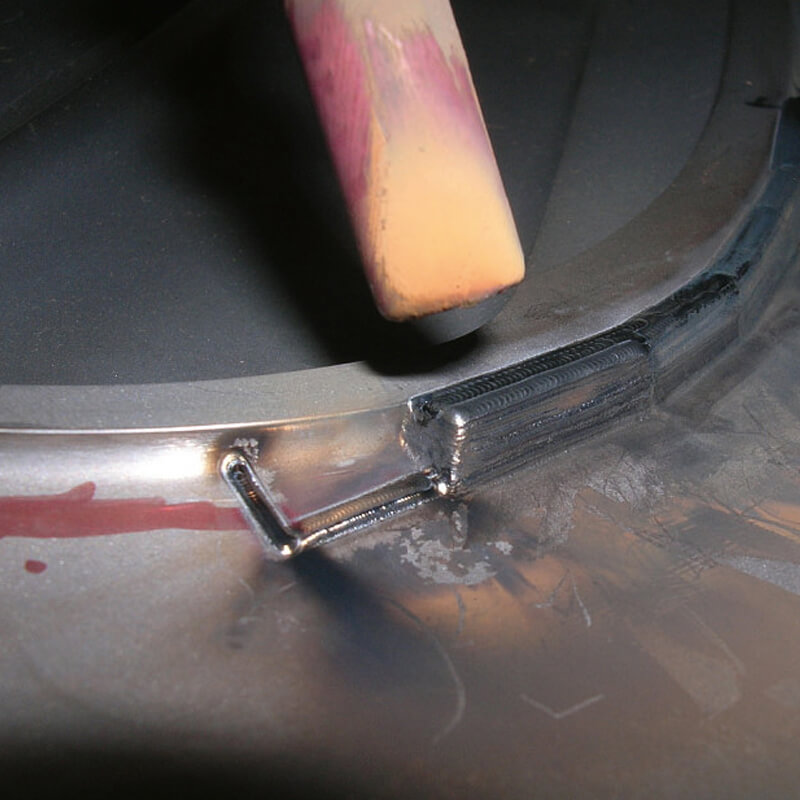
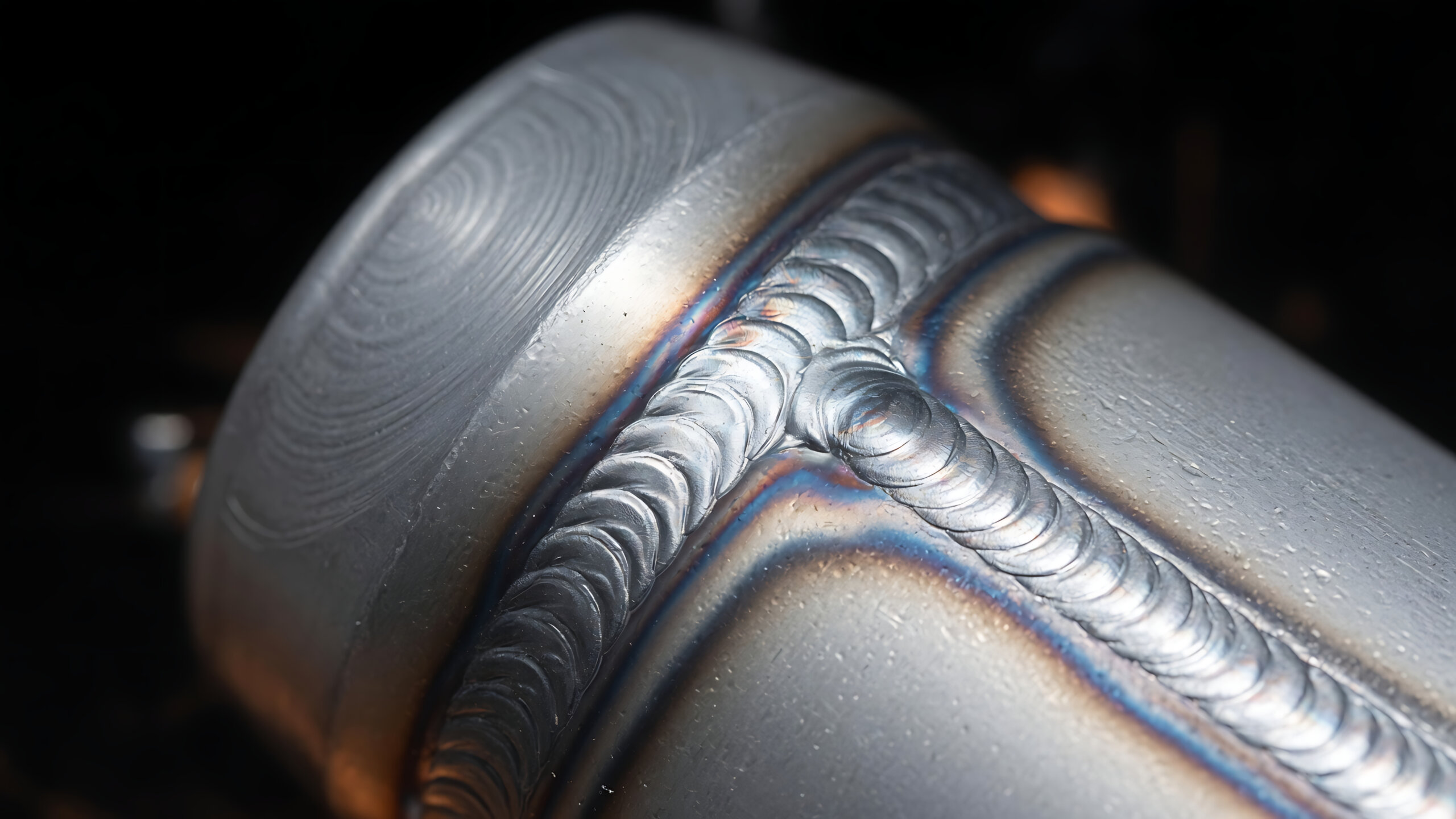
Under the control of the operator, a focused energy of the laser beam selectively melts a precise area of the mould, whilst at the same time introducing matching filler wire to create the repair.
- The surrounding material remains cool,
- distortion is minimised,
- hardness is maintained,
- precision features remain intact.
Step 4 – Finish the repair
The repaired section is then:
- Machined if required,
- Textured,
- Polished,
- Returned to original dimensions.
Minimal finishing is generally required because of the highly controlled, small spot sizes used by laser welders.
Why is laser welding better than TIG welding for mould repair?
| Feature | Laser Welding | TIG Welding |
| Heat affected zone | Low | High |
| Distortion | Minimal | Higher |
| Precision | Extreme | Moderate |
| Thin sections | Simple | Difficult |
| Damage to polished surfaces | No | Yes |
| Post-machining | Minimal | Extensive |
| Hardness retention | Excellent | Reduced |
| Risk to surrounding tool | Low | High |
Laser welding has become the preferred solution for precision mould repair because it applies heat only where required, helping preserve dimensional accuracy and reduce post processing.
Laser welding vs manufacturing a new mould
| Factor | Laser Repair | New Mould |
| Cost | Low | High |
| Downtime | Hours | Weeks |
| Production interruption | Minimal | Significant |
| Material waste | Low | High |
| Lead time | Quick | Lengthy |
| Return on investment | Short | Long-term |
For expensive production tooling, repairing an existing mould is often substantially more cost-effective than replacing it.
Best for laser mould repair
Laser welding is particularly suitable for:
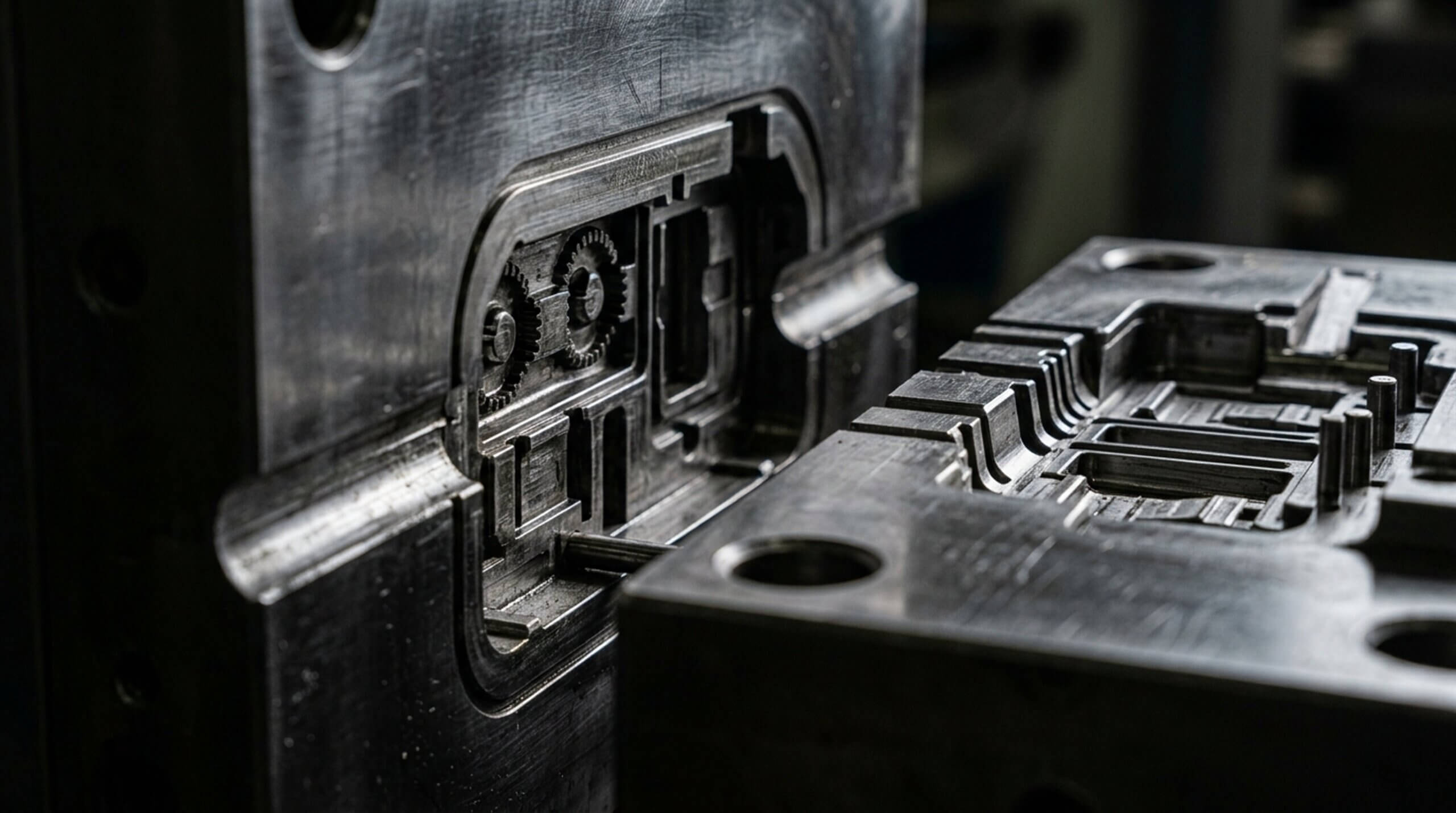
- Plastic injection mould tools
- Die casting tools
- Blow moulds
- Compression moulds
- Precision tooling
- Press tooling
- Medical tooling
- Aerospace tooling
- Automotive tooling
Advantages of laser mould repair
Precision
Repairs can be performed on extremely small defects.
Minimal distortion
Only the repair area is exposed to minimal heat input.
Preserves mould accuracy
Critical dimensions remain unchanged.
Longer mould life
Multiple repairs can significantly extend tooling life.
Reduced downtime
Repairs are completed much faster than manufacturing replacement tooling.
Lower operating costs
Repairing existing tools reduces capital expenditure and skilled operator costs
Limitations
Laser welding is highly effective but is not suitable for every repair.
Limitations include:
- Severe structural damage may require replacement.
- Large scale damage can be slower than conventional welding.
Typical applications
Laser mould repair is widely used across manufacturing.
Typical applications include:
Injection mould repair
Restore worn cavities and damaged edges.
Die repair
Repair cracks and worn surfaces.
Tool refurbishment
Extend the life of expensive production tooling.
Engineering modifications
Add or remove material during product redesign.
Surface defect repair
Repair porosity, chips and machining errors.
Industries using laser mould repair
- Automotive
- Aerospace
- Medical
- Electronics
- Consumer products
- Packaging
- Plastic injection moulding
- Precision engineering
Frequently Asked Questions
Can laser welding repair hardened tool steel?
Yes. Laser welding is commonly used on hardened tool steels while maintaining much of the original material properties through the selection of the appropriate filler wire
Is laser welding stronger than TIG for mould repair?
The strength depends on filler material and repair procedure, but laser welding generally provides superior dimensional control with less heat distortion for precision tooling.
Does laser welding damage polished mould surfaces?
No. Because the heat affected zone is extremely small, surrounding polished or textured surfaces can usually be preserved with minimal refinishing.
How much money can laser mould repair save?
Repair costs are typically a fraction of manufacturing a replacement mould, while also reducing production downtime.
Can laser welding repair cracks?
Yes. Fine cracks, chipped edges, worn corners and surface defects are among the most common laser repair applications.
How long does laser mould repair take?
Many repairs can be completed within hours, compared with weeks required to manufacture replacement tooling.
Why choose Laser Lines for laser mould repair?
Laser Lines supplies industrial laser welding systems supported by experienced application specialists who help manufacturers choose the best solution for mould repair, precision welding and production applications.
Whether you are repairing injection moulds, extending tool life or improving manufacturing efficiency, our specialists can recommend the most suitable laser technology for your application.