Author: David Earl
Position: Laser Welding Specialist, Laser Lines
About the Author
David Earl is a Laser Welding Specialist at Laser Lines with extensive experience helping manufacturers implement precision laser welding solutions for demanding industries. He works with companies producing medical devices, surgical instruments and high-value components where accuracy, repeatability, cleanliness and weld integrity are essential.
Why choose laser welding for medical device manufacturing? (Quick Answer)
Laser welding is used in medical device manufacturing because it creates precise, clean and highly controlled welds with minimal heat distortion. It allows manufacturers to join small, complex and sensitive components while maintaining the strength, reliability and sterility requirements needed for medical applications.
Laser welding is ideal for medical devices because it provides:
- Extremely accurate weld placement
- Minimal heat-affected zones
- Low contamination risk
- High-strength joints
- Repeatable automated production
- Compatibility with stainless steel, titanium and specialist alloys
- Ability to create hermetic seals
From surgical instruments to implants and pacemaker housings, laser welding helps manufacturers produce reliable medical devices that meet strict quality requirements.
How does laser welding work in medical device manufacturing?
How does a laser create a medical-grade weld?
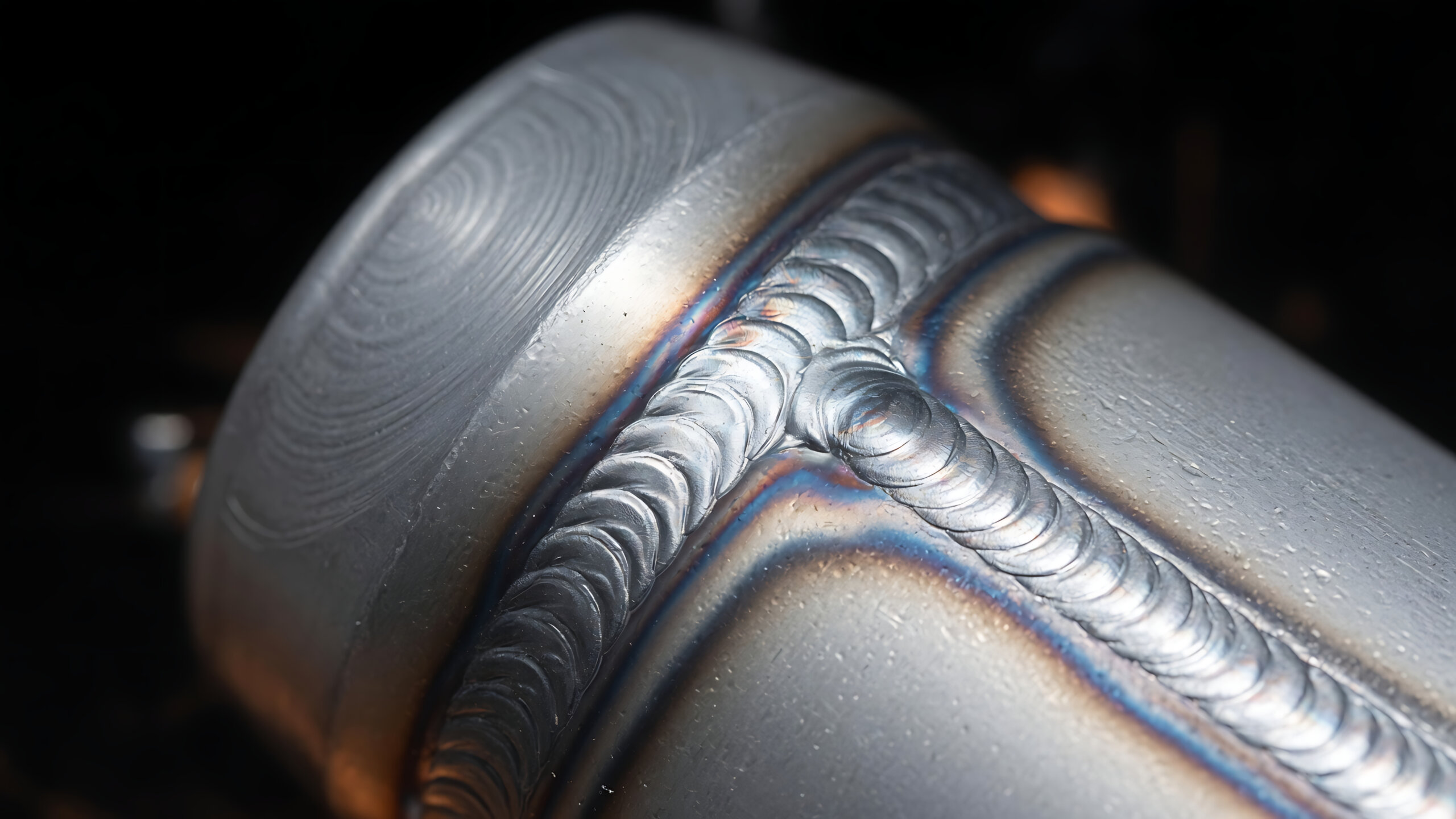
Laser welding uses a concentrated beam of light to generate controlled heat exactly where the weld is required.
The laser melts the joining area while filler material may be added depending on the application.
Because the energy is focused into a very small area:
- surrounding material remains unaffected
- distortion is reduced
- delicate components are protected
- precise dimensions are maintained
This makes laser welding suitable for miniature medical components where traditional welding methods may introduce too much heat.
Why is laser welding used instead of traditional welding methods?
Medical devices often contain small, complex parts that require extreme accuracy.
Traditional welding methods can create challenges including:
- excessive heat input
- component distortion
- larger heat affected zones
- additional finishing requirements
- difficulty welding miniature parts
Laser welding provides a cleaner and more controlled alternative.
| Feature | Laser Welding | TIG Welding | Resistance Welding |
| Precision | Extremely high | Medium | Medium |
| Heat affected zone | Very small | Larger | Medium |
| Suitable for miniature components | Excellent | Limited | Moderate |
| Automation capability | Excellent | Moderate | Good |
| Distortion risk | Very low | Higher | Medium |
| Hermetic sealing | Excellent | Possible | Possible |
| Repeatability | Excellent | Operator dependent | Good |
Laser welding for surgical instruments
How does laser welding improve surgical instrument manufacturing?
Surgical instruments require:
- high strength
- corrosion resistance
- precision geometry
- smooth finishes
- reliable sterilisation performance
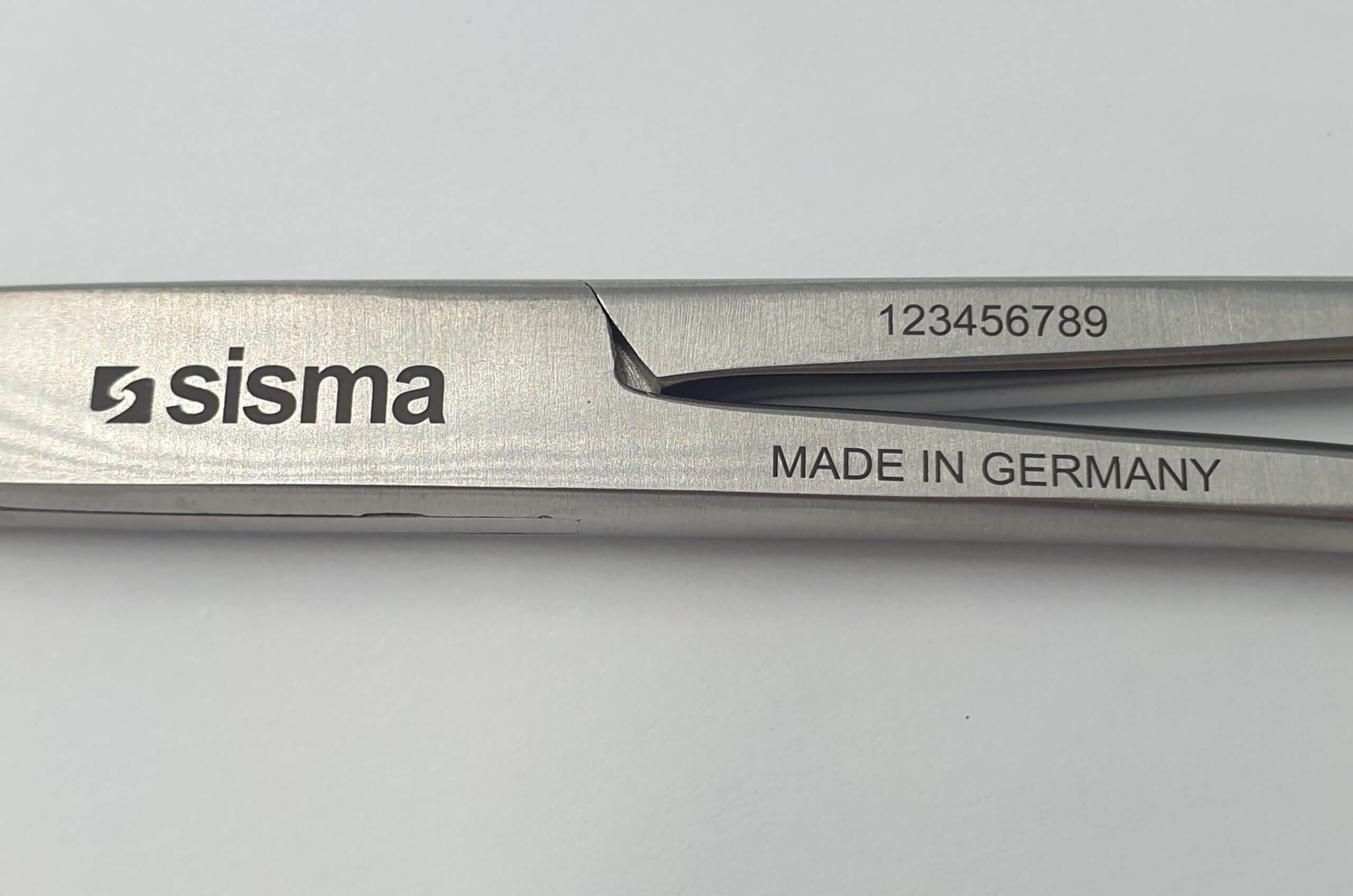
Laser welding is commonly used for:
- forceps
- scissors
- surgical probes
- minimally invasive instruments
- endoscopic tools
The controlled heat input helps maintain the original properties of stainless steel and other medical-grade alloys.
Best for surgical instrument manufacturing
Laser welding is suitable for:
- Stainless steel instruments
- Small precision assemblies
- Hollow components
- Fine tips and edges
- Complex geometries
Advantages
- Minimal distortion
- Strong clean welds
- Reduced finishing
- Suitable for automated production
- Maintains cosmetic appearance
Limitations
- Requires accurate part alignment
- Skilled programming is needed
- Material compatibility must be assessed
Laser welding for medical implants
Why is laser welding used for implant manufacturing?
Medical implants require exceptional reliability because they operate inside the human body.
Laser welding allows manufacturers to join materials such as:
- titanium
- stainless steel
- cobalt-chrome alloys
Applications include:
- implant components
- surgical implant assemblies
- bone fixation devices
- specialist medical components
Laser welding produces strong joints while minimising contamination and unwanted thermal effects.
Laser welding for pacemaker housings
How are pacemaker housings sealed?
Pacemaker and implantable electronic devices require a protective enclosure that prevents moisture and biological fluids from entering.
Laser welding creates hermetic seals by producing:
- leak-resistant welds
- controlled penetration
- minimal heat transfer to electronics
- repeatable sealing quality
This makes laser welding a preferred process for miniature medical electronics.
Typical applications for pacemaker and medical electronics welding
- Pacemaker housings
- Battery enclosures
- Sensor assemblies
- Implantable electronics
- Micro-components
Laser welding for catheter manufacturing
Why is laser welding used for catheter components?
Catheters often contain very small components requiring precise joining.
Laser welding can be used for:
- marker bands
- tubing assemblies
- guide components
- miniature stainless steel parts
Benefits include:
- accurate weld positioning
- low thermal damage
- compatibility with thin materials
- high production repeatability
Laser welding stainless steel and titanium medical components
Can laser welders join medical-grade stainless steel and titanium?
Yes. Laser welding is widely used with medical materials including:
| Material | Common Medical Applications |
| Stainless steel | Surgical tools, housings, instruments |
| Titanium | Implants, lightweight components |
| Cobalt-chrome alloys | Orthopaedic components |
| Nickel alloys | Specialist medical devices |
Laser welding allows these materials to be joined while preserving corrosion resistance and mechanical performance.
Creating sterile hermetic seals with laser welding
Why are hermetic seals important in medical devices?
A hermetic seal prevents:
- moisture ingress
- contamination
- fluid penetration
- premature component failure
Applications requiring hermetic sealing include:
- implantable electronics
- pacemaker cases
- sensors
- medical monitoring devices
Laser welding provides:
- precise penetration control
- repeatable weld quality
- clean sealed joints
- minimal post-processing
Laser welding vs adhesive bonding in medical devices
| Factor | Laser Welding | Adhesive Bonding |
| Mechanical strength | High | Variable |
| Sterility compatibility | Excellent | Material dependent |
| Chemical resistance | Excellent | Depends on adhesive |
| Long-term reliability | Excellent | Can degrade |
| Heat impact | Localised | None |
| Permanent joining | Yes | Yes |
Laser welding vs replacing medical components
| Factor | Laser Repair/Welding | New Component Manufacturing |
| Cost | Lower | Higher |
| Lead time | Faster | Longer |
| Material waste | Reduced | Increased |
| Production interruption | Reduced | Higher |
| Design changes | Easier | Requires new tooling |
Advantages of laser welding for medical device manufacturing
Precision
Laser welding enables extremely accurate joining of small components.
Clean processing
The controlled process reduces contamination risks.
Minimal heat input
Sensitive components are protected from thermal damage.
High repeatability
Ideal for automated medical production.
Strong reliable joints
Suitable for safety-critical devices.
Design flexibility
Allows complex miniature assemblies.
Limitations of laser welding for medical applications
Laser welding is not suitable for every manufacturing situation.
Potential limitations include:
- Higher initial equipment investment
- Requires skilled setup and programming
- Material preparation is important
- Complex geometries may require specialist fixturing
Typical medical device applications for laser welding
Surgical instruments
- Forceps
- Scissors
- Precision tools
- Endoscopic devices
Implants
- Titanium implant components
- Orthopaedic assemblies
- Surgical implant parts
Implantable electronics
- Pacemaker housings
- Battery enclosures
- Sensors
Catheter systems
- Marker bands
- Tubing assemblies
- Micro-components
Medical components
- Stainless steel assemblies
- Titanium parts
- Precision housings
Frequently Asked Questions
Why is laser welding preferred for medical devices?
Laser welding provides precise, clean and repeatable joints with minimal heat distortion, making it suitable for critical medical components.
Can laser welding be used on titanium implants?
Yes. Laser welding is commonly used for titanium medical components because it provides strong, controlled welds while maintaining material properties.
Can laser welding create sterile seals?
Yes. Laser welding can create hermetic seals that protect medical devices from moisture and contamination.
Is laser welding suitable for stainless steel surgical instruments?
Yes. Stainless steel is one of the most common materials welded in medical manufacturing.
What medical devices use laser welding?
Laser welding is used in surgical instruments, implants, pacemaker housings, catheters, sensors and other precision medical components.
Is laser welding better than TIG welding for medical applications?
For many medical applications, laser welding provides greater precision, lower heat input and improved repeatability compared with TIG welding.
Can laser welding be automated?
Yes. Laser welding systems can be integrated into automated production lines for high-volume medical device manufacturing.
Why choose Laser Lines for medical device laser welding?
Laser Lines provides industrial laser welding solutions for manufacturers requiring precision joining, reliable production and advanced laser processing capabilities.
Our specialists support companies working with:
- medical devices
- surgical instruments
- implant components
- precision assemblies
- stainless steel and titanium parts
From initial application testing through production integration, Laser Lines helps manufacturers identify the right laser welding technology for their requirements.