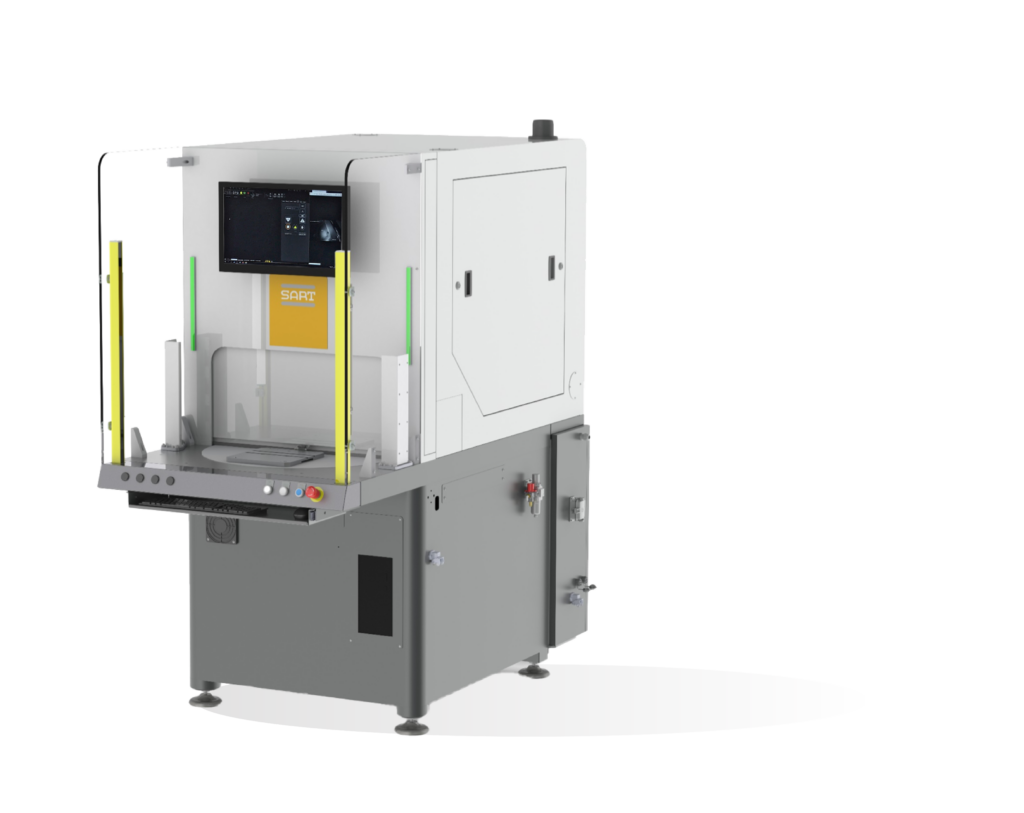
| Technical Data | SART 200 EP | SART 500F EP | SART 500F PICO | SART 30 CO₂ | SART 60 UV |
|---|---|---|---|---|---|
| Active Material | Yb | Yb | Yb | CO₂ | Nd |
| Average Power | 20 W | 50 W | 50 W | 30 W | 6 W |
| Wavelength | 1064 nm | 1064 nm | 1030 nm | 10600 nm | 355 nm |
| Working Frequency | 1–1000 kHz | 1–1000 kHz | 50–2000 kHz | 0–100 kHz | 0–500 kHz |
| Pulse Duration | 3–500 ns | 6–500 ns | 0.001 ns | — | 12 ns |
| Peak Power | >10 kW | >10 kW | >10 kW | — | 5 kW |
| Pulse Energy | >1 mJ | >1 mJ | >0.025 mJ | — | 0.06 mJ |
| Beam Quality | <1.6 | <1.6 | <1.4 | <1.2 | <1.3 |
| Marking Speed | 2000 mm/s | 2000 mm/s | 5000 mm/s | 7600 mm/s | 1800–7600 mm/s |
| Axes Repeatability | 2 µrad | 2 µrad | 2 µrad | 2 µrad | 2 µrad |
| Carrying Capacity | 7.5 kg | 7.5 kg | 7.5 kg | 7.5 kg | 7.5 kg |
| Working Area | 250 × 260 mm | 250 × 260 mm | 250 × 260 mm | 250 × 260 mm | 250 × 260 mm |
| Cooling System | Air | Air | Water | Air | Air |
| Power Supply | 230 V ±15%, 50/60 Hz, 1ph (CEE 16A) | 230 V ±15%, 50/60 Hz, 1ph (CEE 16A) | 230 V ±15%, 50/60 Hz, 1ph (CEE 16A) | 230 V ±15%, 50/60 Hz, 1ph (CEE 16A) | 230 V ±15%, 50/60 Hz, 1ph (CEE 16A) |
| Power Absorption | 1 kW | 1 kW | 1 kW | 1 kW | 1 kW |
| Dimensions (L × D × H) | 1045 × 1971 × 2070 mm | 1045 × 1971 × 2070 mm | 1045 × 1971 × 2070 mm | 1045 × 1971 × 2070 mm | 1045 × 1971 × 2070 mm |
| Weight | 740 kg | 740 kg | 740 kg | 740 kg | 740 kg |
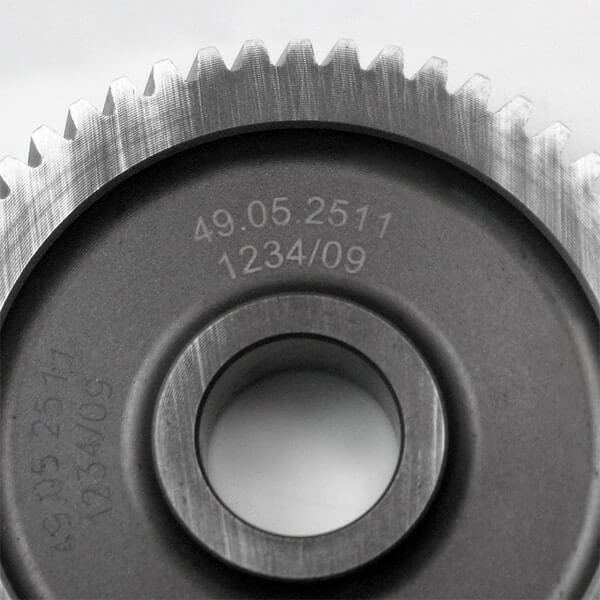
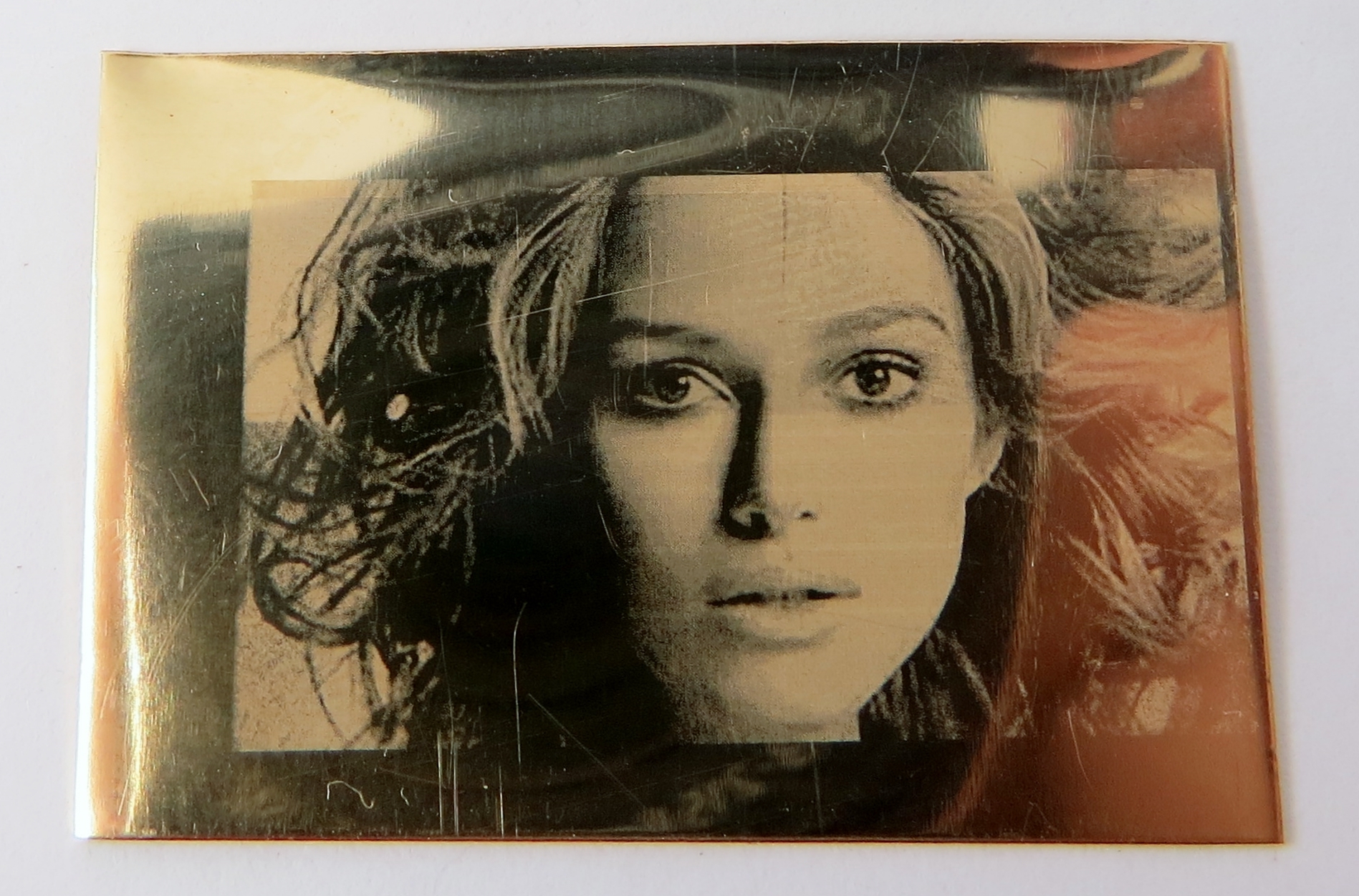
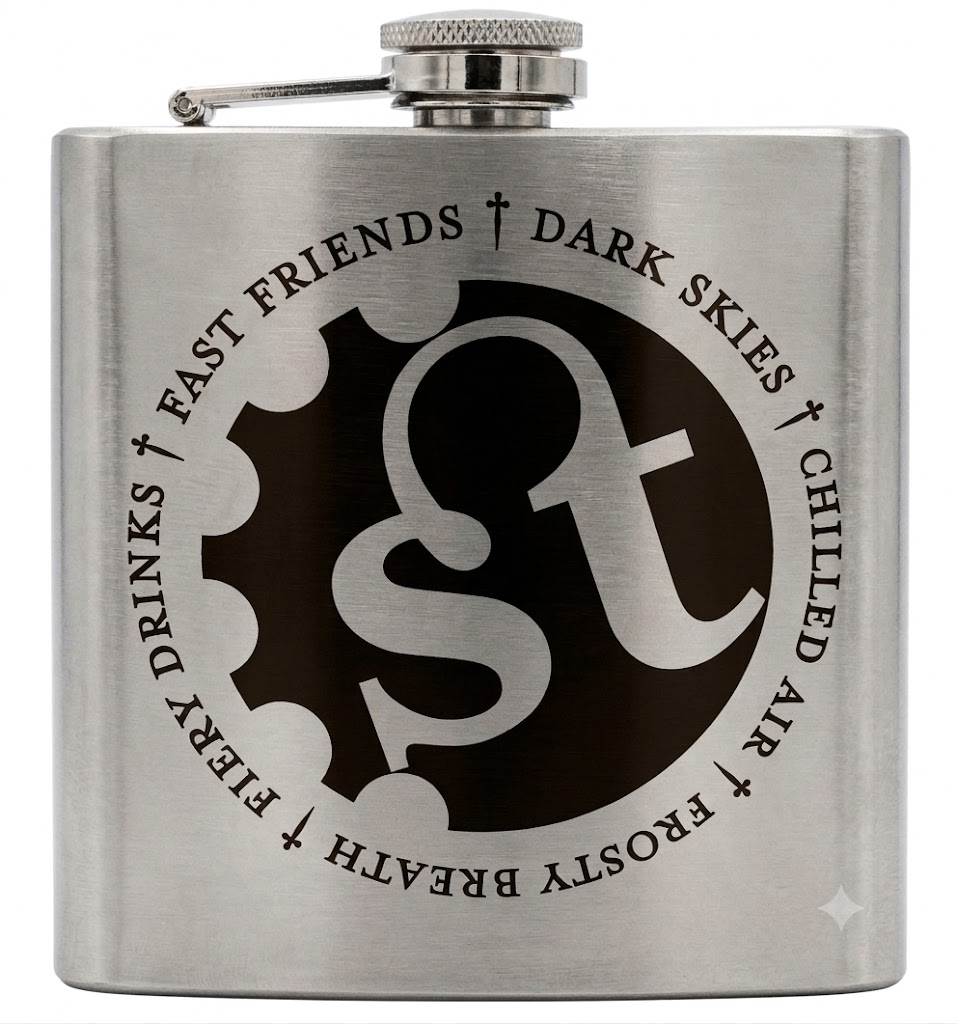
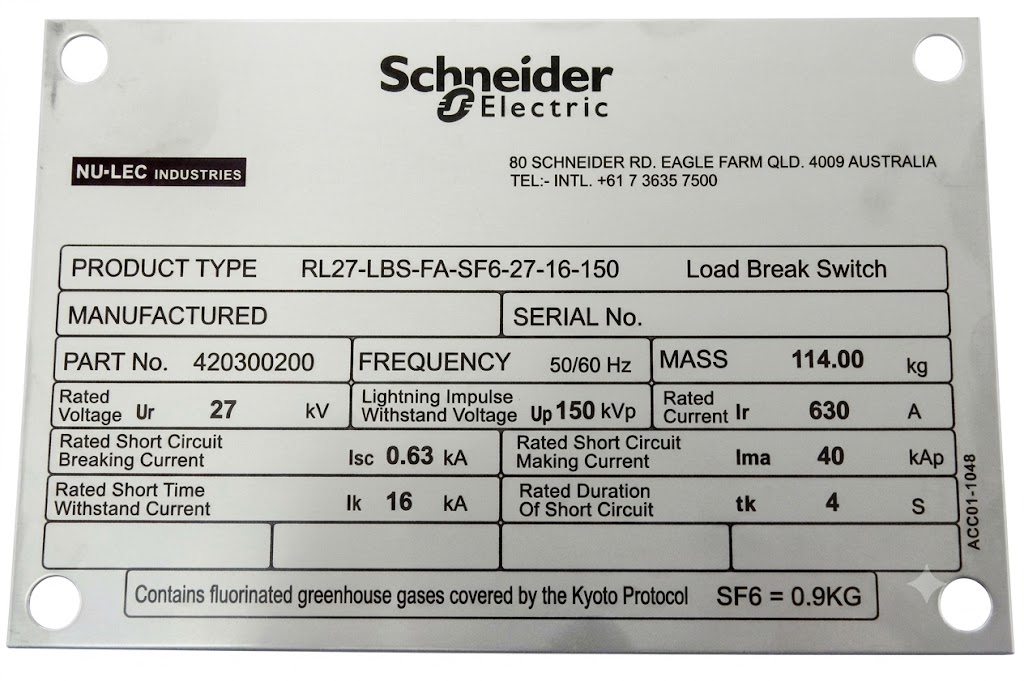
The SISMA SART is designed for high-volume laser marking, engraving and product traceability where speed, accuracy and repeatability are essential. Its rotating table enables continuous operation, making it ideal for manufacturers processing medium to large production batches.
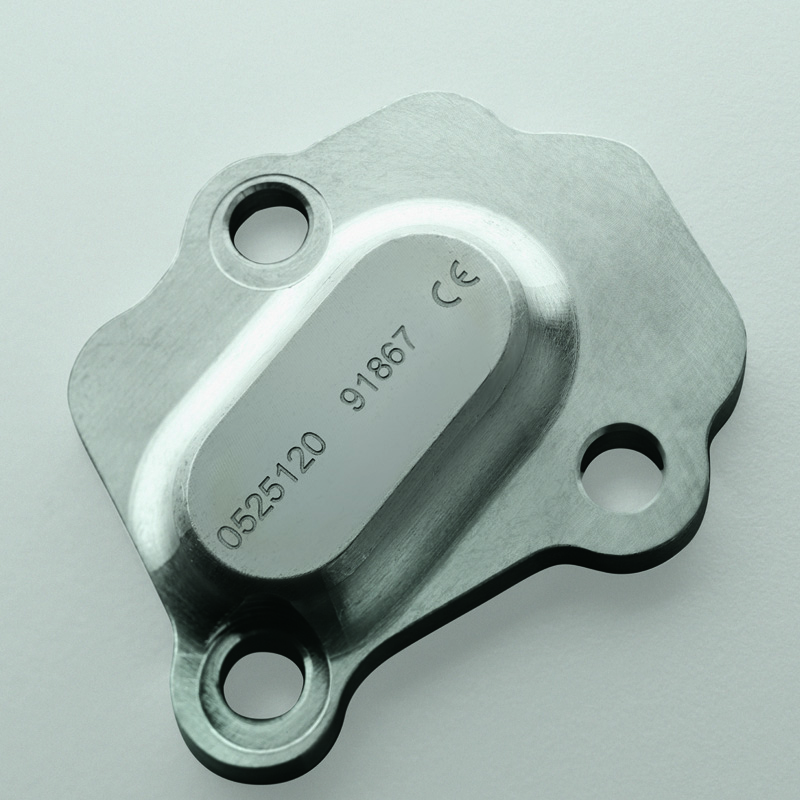
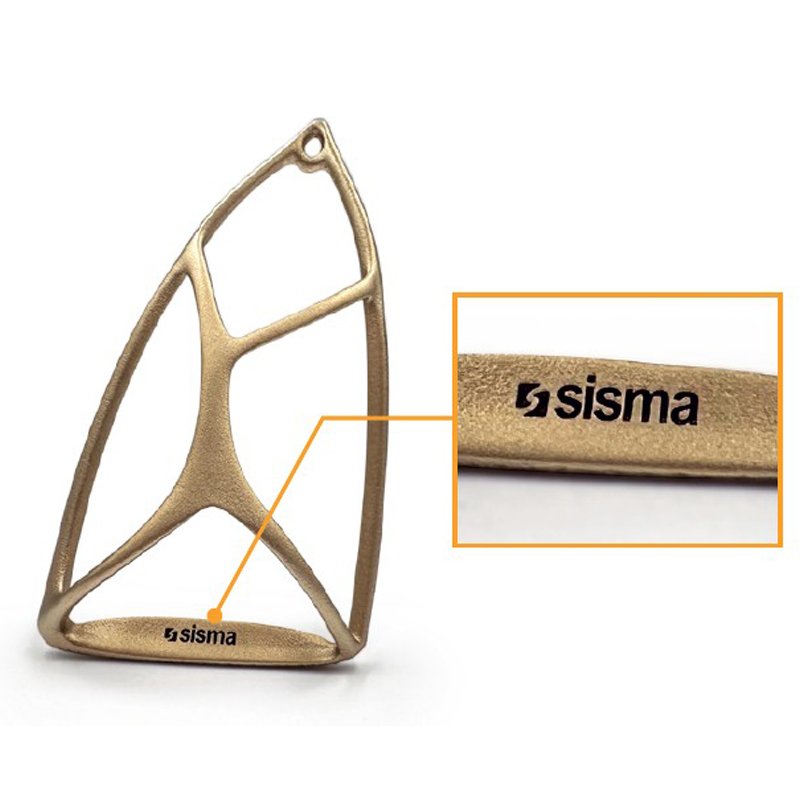
Suitable for serial numbers, QR codes, Data Matrix codes, logos, branding, identification marks and decorative engraving, the SART supports applications across the automotive, engineering, electronics, medical device, jewellery and precision manufacturing sectors. With fibre, CO₂ and UV laser source options, it can process metals, plastics and other industrial materials while optional automation features streamline production and reduce operator intervention.

How Laser Mould Repair Works and Why It Saves Thousands Author: David EarlPosition: Laser Welding Specialist, Laser Lines About the Author Dave has extensive experience in aiding manufacturers select and

The regulatory landscape for medical devices is shifting quickly, and for UK manufacturers and contract engineers, the pressure to implement permanent, traceable marking on components and instruments has never been
Orders: orders@laserlines.co.uk
Remittances: remittance@laserlines.co.uk
Laser and Accessories: lasers@laserlines.co.uk
3d Printing & Rapid Manufacturing: 3dworld@laserlines.co.uk
Modelling Bureau: parts@laserlines.co.uk
Technical Support: support@laserlines.co.uk
2018 LASER LINES All Rights Reserved. Site by SEO Works